
Exploring the psychology behind winning at casinos
The Thrill of the Game: Understanding the Gambler’s Mindset
The thrill of gambling is deeply rooted in the psychology of risk and reward. When players step into a casino, they are not just seeking monetary gains but also the excitement that comes with the possibility of winning. In fact, many turn to best betting sites to enhance their experience further. This adrenaline rush affects their decision-making processes, often leading them to take risks they might otherwise avoid. The prospect of winning big can cloud judgment and fuel the desire to keep playing, even in the face of losses.
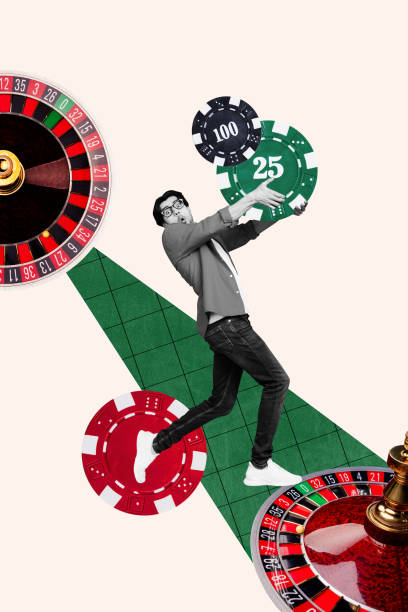
Casinos are designed to heighten this thrill through various psychological tactics. The ambiance, sounds, and even the lighting play significant roles in creating an exhilarating experience. Gamblers are often drawn to the sensory overload that these environments provide, which can lead to what psychologists call the “gambler’s fallacy,” the belief that past events can influence future outcomes. This mindset can lead players to continue betting, chasing after losses in the hopes of a big win.
The Role of Cognitive Biases in Gambling
Cognitive biases are systematic patterns of deviation from norm or rationality in judgment, and they play a crucial role in gambling behavior. One of the most prevalent biases in casinos is the illusion of control, where players believe they can influence the outcome of games that are fundamentally based on chance. This misconception can lead to an increased frequency of play and a higher risk of developing problematic gambling behaviors.
Another significant bias is the availability heuristic, where individuals judge the likelihood of an event based on how readily they can recall instances of it. In a casino setting, if a player witnesses someone hitting a jackpot, they may overestimate their own chances of winning. This phenomenon can create a highly optimistic outlook on the probability of winning, further fueling gambling activities and potentially leading to significant financial losses.
The Impact of Social Influences on Gambling Behavior
Social dynamics significantly influence gambling behavior, particularly in casino environments. The presence of others can amplify excitement and risk-taking. Players often draw confidence from their peers, leading to increased wagers and longer play sessions. Social interactions can also create a competitive atmosphere, prompting individuals to gamble more aggressively to prove their prowess or to keep up with friends.
Furthermore, peer pressure is a potent force in gambling situations. Individuals may feel compelled to continue playing out of a desire to fit in or to avoid disappointing others. This social aspect can complicate an individual’s relationship with gambling, making it challenging to recognize when recreational betting shifts toward problematic behavior. Understanding these social influences is essential for gamblers seeking to maintain control over their gaming habits.
The Emotional Rollercoaster of Winning and Losing
Winning at a casino can be an emotional high that many seek, but the psychological aftermath of losing can be equally profound. The euphoria of a win can lead to overconfidence, often resulting in increased risk-taking behavior immediately following a successful game. This emotional rollercoaster can create a cycle where players chase their next high, leading to potential addiction.
Conversely, experiencing losses can result in feelings of frustration, anger, and even despair. This emotional response can cloud rational thinking, prompting players to make impulsive decisions, such as increasing their bets in an attempt to reclaim losses. Recognizing these emotional triggers is vital for maintaining a healthy relationship with gambling, as they can lead to harmful patterns if left unchecked.

Understanding Gambling Restrictions and Responsible Gaming
Responsible gaming practices are essential in overcoming the psychological challenges associated with gambling. Many casinos implement access restrictions and provide resources for players to manage their gambling habits effectively. These measures aim to create a safer gaming environment that encourages players to enjoy gambling recreationally while being aware of their limits.
Websites dedicated to promoting responsible gambling educate users about potential risks and provide strategies for setting limits or taking breaks. By fostering a greater understanding of psychological factors at play, these resources enhance the user experience and help mitigate the adverse effects of gambling. Ultimately, exploring this psychology can empower players to make informed choices, balancing enjoyment with responsibility.